In recent years, the ideas of sustainability, which have become increasingly popular, have also made their way into the real estate market. Investments in durable materials, a responsible approach to energy conservation, and as few fast-moving items as possible are just a few of the principles of sustainable living.
“I wouldn’t call sustainable housing a trend, it should be a part of our lives. It consists of many factors, and one of the essential ones is a space where we can promote a sustainable lifestyle. It’s not just the sustainable materials we use when building or furnishing our homes, but also our personal preferences. For example, we might grow vegetables or berries in our apartment, use renewable energy sources, or buy second-hand furniture,” says Giedrė Skučaitė, a sustainability consultant and architect at Lendager, who works in Denmark.
Currently, real estate development company Eika is installing an experimental apartment in one of its projects, which will seek to take into account the principles of more sustainable living. In cooperation with the company Jung, special attention will be paid to reducing electricity costs in the apartment being installed, which will be managed with smart systems. The lamps will be installed from recycled materials, and most of the solutions, furniture, and interior details were purchased from Lithuanian designers.
“In the experimental apartment, sustainability will be revealed through unique, durable materials, recycled materials, or eco-friendly products by Lithuanian designers. Here, we will apply the experience and knowledge of the smart apartment presented last year, and we will implement new solutions that will allow for comfortable living and, most importantly, savings,” says Maija Nikitina, Eika’s innovation ambassador.
The less materials and work, the more sustainable
According to sustainability consultant G. Skučaitė, when talking about sustainability, first of all, we need to remember that the fewer materials and resources we use for the decoration and installation of housing, the more sustainable the housing is.
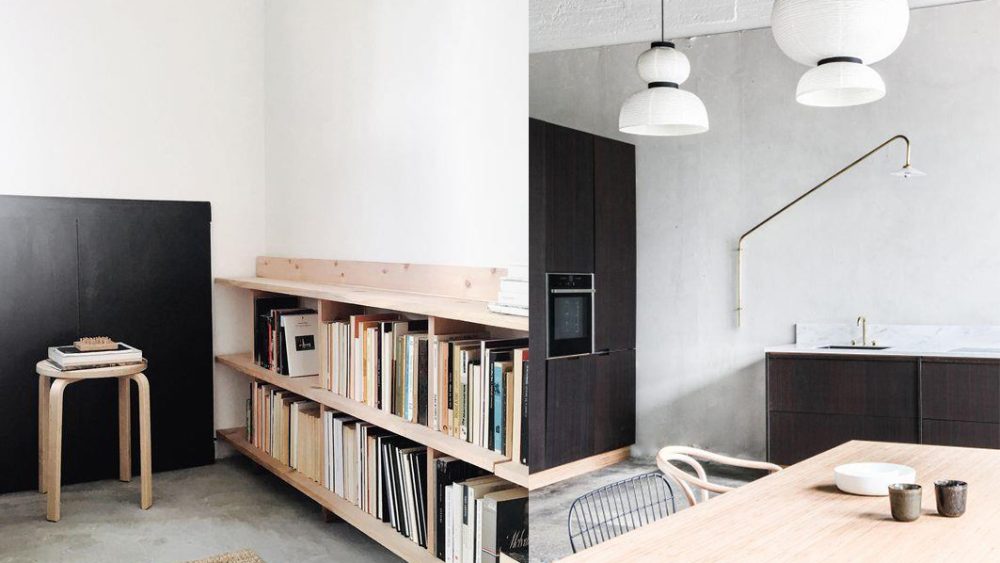
“Therefore, it is advisable to invest in high-quality and durable materials that leave a low carbon footprint, which do not require much maintenance and frequent changes. These can be organic, locally sourced materials or materials obtained from recycled products or renewable sources. Therefore, when looking for classic solutions, you can choose wood or stone and create an aesthetic home that will not get boring quickly,” advises G. Skučaitė.
The furniture in the apartment could be second-hand, vintage, for example, combined with designer creations and creating a harmonious interior of the apartment. If you get tired of the color of the upholstered furniture, you can change the textile and fabric, but do not rush to buy new products. Choosing local manufacturers also contributes to a more sustainable life – you do not have to travel far, waste fuel costs, less carbon dioxide will be emitted when transporting materials, and local businesses are encouraged.
Save energy, use renewable sources
Smart technologies also help you live a more sustainable lifestyle. They help you optimize and manage your energy consumption. You can set the heating to automatically turn off when you leave the house and turn it back on when you return.
“Now there are many different apps that can be controlled by phone and help you save money. All lighting or other devices can be controlled remotely. Also, when you leave for work, unplug some of the devices that, although imperceptibly, use energy. Such small tasks seem insignificant, but when calculated, they have a significant effect,” says the sustainability consultant.
Growing vegetables at home
According to G. Skučaitė, growing food at home is currently becoming increasingly popular – this is another principle of sustainability.
“By growing vegetables or fruit in our apartment or house, we become somewhat independent from common consumption. There are increasingly frequent cases when communities are provided with the opportunity to install a greenhouse on the roof of a house or in a shared courtyard, and use the grown produce for their own needs. It is also possible to collect rainwater there and use it to water the vegetables they grow. This principle is popular in Scandinavia and could be easily applied in Lithuania,” says the sustainability consultant.
It is noticed that one of the biggest enemies of sustainability is the constant desire to renew and buy new, not durable things. However, with the help of creativity, you can adapt those materials or products that seemed no longer necessary. If you get tired of the layout of your home, you don’t have to immediately tear down the walls, and if the surface of a chair is worn out, buy a new one. One small detail or solution can change the overall picture. Perhaps you can change the color of furniture or walls, door handles, or update the floor by applying wood carvings. Or maybe it will be enough to simply find new places for furniture and continue to live a little more sustainably.